





Winter Hiking for Beginners
Introduction
Winter hiking opens up a completely different outdoor experience compared to warmer seasons. The trails you walked in summer transform into quiet, snow-covered paths where your footsteps might be the only sounds breaking the stillness.
For beginners, the idea of hiking in cold weather can feel intimidating, but with proper preparation and realistic expectations, winter hiking becomes an accessible and deeply rewarding activity. The crisp air, stunning ice formations, and peaceful solitude of winter trails offer experiences you simply cannot find during other seasons.
Understanding the basics of winter hiking helps newcomers approach cold-weather adventures with confidence rather than anxiety.

Essential Gear for Winter Hiking Beginners
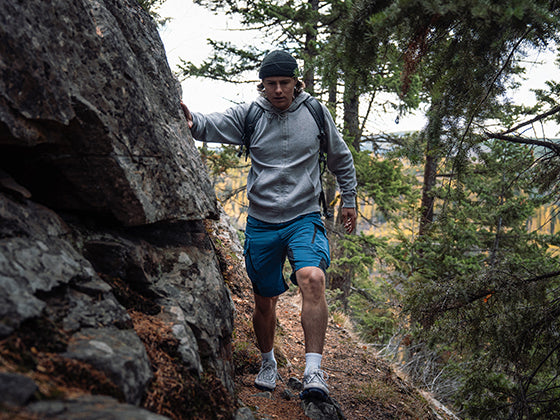
Starting winter hiking requires thinking differently about clothing and equipment compared to summer adventures. The layering system forms the foundation of comfort in cold conditions. Your base layer sits against your skin and should wick moisture away from your body rather than absorbing it. Cotton fails completely in this role, turning cold and clammy as you perspire during climbs. Synthetic or merino wool materials work far better, pulling sweat away while maintaining some insulating properties even when damp.
The middle insulating layer traps warm air around your body. Fleece jackets, down vests, or synthetic insulated pieces serve this purpose well. The key lies in choosing insulation that provides warmth without excessive bulk that restricts movement.
Many beginners overdress for winter hiking, not realizing how much heat vigorous uphill hiking generates even in freezing temperatures. You should feel slightly cool when you first start hiking, knowing you'll warm up within fifteen minutes of steady walking.
Your outer shell layer protects against wind and precipitation. Waterproof jackets and pants keep snow and wind from reaching your inner layers. This protection becomes critical when weather changes suddenly or when you're breaking trail through deep powder. The shell layer also blocks wind, which dramatically accelerates heat loss from your body even on relatively mild winter days.
Footwear deserves careful consideration for winter conditions. Insulated, waterproof hiking boots with good ankle support handle snow-covered trails better than regular hiking shoes. The insulation keeps your feet warm during rest breaks when you stop generating heat through movement. Waterproofing prevents your feet from getting wet when you punch through crusted snow or step in hidden puddles beneath the snow surface. Pairing quality boots with warm, moisture-wicking socks creates a system that keeps your feet comfortable throughout the day.

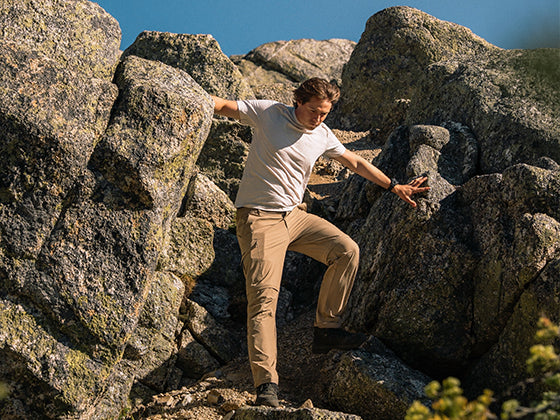
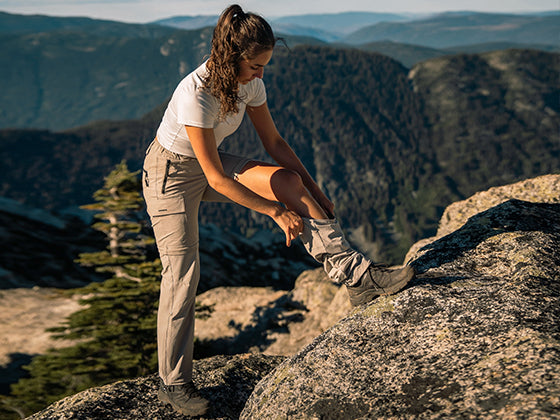
Winter hiking pants form a crucial part of your winter kit. Look for pants that resist water and wind while still allowing moisture from perspiration to escape. Cold weather hiking pants should move with you comfortably during high steps over logs and rocks hidden under snow.
Many beginners underestimate how much their legs perspire during winter hiking, making breathability just as important as insulation and weather protection. Options like the Moosehill Men's Snow Hiking Pants feature fleecelined designs that adapt to changing trail conditions, while pants like the Moosehill Women's Snow Hiking Pants combine fleece lining with waterproof construction for sustained cold exposure. Understanding your typical hiking conditions helps determine whether you need convertible versatility or maximum insulation.
Beyond clothing, basic safety equipment matters more in winter than summer. A headlamp becomes essential since winter days are short and you might find yourself hiking in darkness earlier than anticipated. Navigation tools help when familiar trail markers disappear under snow. A basic first aid kit, extra food, and emergency shelter like a space blanket provide crucial backup if something goes wrong and you need to spend unexpected time outdoors in cold conditions.
Choosing Your First Winter Hike
Beginners should start winter hiking on trails they already know from warmer seasons. Familiar routes let you focus on managing cold weather challenges rather than route-finding in unfamiliar terrain.
You already know the distance, elevation gain, and tricky sections, which help you plan appropriate pacing and timing. Winter transforms familiar trails dramatically, but having that baseline knowledge makes the experience less overwhelming.

Trail conditions change completely in winter. What was a simple stream crossing in summer might be a tricky ice traverse in winter. Muddy sections freeze into uneven, slippery surfaces. Rocky scrambles become snow-covered puzzles where you cannot see exactly where to place your feet. These changes mean that winter versions of trails take significantly longer to complete than the same routes in summer. Plan for moving at half your normal summer pace, especially early in your winter hiking journey.
Daylight becomes a precious commodity during winter hiking. The sun sets early, and twilight fades quickly in cold weather. Calculate your hiking time generously, adding extra buffer time beyond what you think you need. Starting early in the day gives you maximum daylight hours and ensures you finish well before dark. Many beginners make the mistake of starting too late, and then find themselves rushing to finish before sunset, which increases risks and reduces enjoyment.
Hiking with experienced winter hikers for your first few trips provides valuable learning opportunities. Experienced companions can demonstrate proper pacing, show you how to identify hazards, and help if difficulties arise. However, if you hike solo, stick to well-traveled trails where you're likely to encounter other hikers. Tell someone your plans, expected return time, and what to do if you don't check in. Solo winter hiking requires more caution than summer solo trips due to increased consequences if something goes wrong.
Winter Hiking Safety Basics
Weather awareness takes on critical importance during winter hiking. Check detailed forecasts before heading out, paying attention to temperature, wind speed, and precipitation predictions. Wind chill can make moderate temperatures dangerous, while unexpected snow or ice storms create serious hazards. Conditions change rapidly in winter, so even if the forecast looks favorable, prepare for the possibility of deteriorating weather.
Understanding hypothermia and frostbite signs helps you recognize problems before they become emergencies. Hypothermia begins subtly with shivering, fatigue, and confusion. Your body struggles to maintain core temperature, and if you ignore early signs, the condition quickly worsens into a life-threatening situation. Frostbite typically affects extremities first, turning skin pale or grayish-yellow and creating numbness. Proper layering throughout your body helps prevent hypothermia, while keeping extremities covered and dry prevents frostbite.

Staying on trail becomes more challenging when snow covers familiar paths and markers. Footprints from previous hikers help, but they might lead astray if those hikers left the trail. Learning to recognize trail markers partially obscured by snow takes practice. Carrying a map and compass, or a GPS device, provides backup navigation when visual trail following becomes impossible. Never assume you can just follow your footprints back, as falling snow can quickly obscure your tracks.
Emergency preparedness means carrying more than you think you need. Extra food and water, additional warm layers, fire-starting materials, and a basic emergency shelter give you options if you need to spend unexpected time outdoors. Many winter hiking emergencies stem from small problems that cascade into bigger issues. A minor twisted ankle in summer might just mean a slow walk out, but in winter it could mean being unable to move while your body temperature drops. Having emergency supplies provides critical backup.
Tips for Comfort and Enjoyment
Pacing yourself properly makes winter hiking far more enjoyable. Start slowly and maintain a steady rhythm rather than pushing hard. Vigorous exertion causes heavy sweating, which soaks your layers and eventually chills you when you slow down or stop. A pace that keeps you warm without causing heavy perspiration proves ideal. Many beginners hike too fast initially, and then pay the price when they stop for breaks and immediately feel cold from sweat-dampened clothes.

Nutrition and hydration work differently in winter than summer. You might not feel as thirsty in cold weather, but your body still needs significant water intake. Dehydration happens easily in winter because cold, dry air pulls moisture from your lungs with every breath. Bring insulated water bottles or use techniques to prevent water from freezing, like keeping bottles inside your pack rather than in side pockets. High-calorie snacks provide the fuel your body needs to generate heat through metabolism. Foods high in fats and proteins sustain energy better than simple sugars during long winter hikes.
Managing moisture throughout your hike prevents the cold clamminess that ruins winter outdoor experiences. When you start sweating during climbs, remove or open layers to increase ventilation rather than waiting until you're soaked.
Pants that breathe well help manage moisture buildup around your legs during strenuous sections. Proper ventilation features let you regulate temperature and moisture without completely removing layers.
Taking breaks requires more thought in winter than summer. When you stop moving, your body temperature drops quickly, especially if your clothes are damp from perspiration. Choose break spots out of the wind, and add an extra insulating layer immediately when you stop. Keep breaks relatively short unless you plan to put on significant additional insulation. Some hikers prefer eating snacks while moving slowly rather than taking long seated breaks where they cool down rapidly.
Conclusion
Winter hiking for beginners opens up a beautiful season of outdoor adventure that many people never experience. The challenges of cold weather hiking teach valuable skills about self-reliance, proper preparation, and reading natural conditions. Starting with modest goals on familiar trails builds confidence gradually rather than overwhelming you with difficulties.
Each winter hike teaches lessons that make the next one easier and more enjoyable. The quiet beauty of snow-covered forests and the satisfaction of mastering cold-weather skills make winter hiking an incredibly rewarding pursuit worth the extra preparation it requires.
--- END ---
For more details about hiking Clothing , please click to choose the best-fitting products!

【Ski & Snow Advice】
· What pants are good for snow
· Can Snow Pants Be Used as Rain Pants?
【Hiking Advice】
· Are Fleece Pants Good for Hiking?
· What Do You Need to Wear for Hiking?
· What can long-term outdoor hiking bring to the body?
· The Golden Rules for Hiking in 2024
· Hiking Tips: What are the best foods for hiking?
· What Do You Need to Wear for Hiking?
· Top 7 Most Common Mistakes When Hiking
【Biking Advice】
· What shorts do Mountain Bikers wear?
· Why Are Mountain Bike Shorts Padded Instead of the Seat?
· Comfortable and Stylish: 5 Expert Tips for Bike Shorts
【Golfing Advice】
· Do You Wear Pants or Shorts to Golf?
· Quick Guide: Choosing the Perfect Golf Pants
· 4 Tips to Efficiently Choose Your Golf Clothing and Accessories

