




Winter Hiking Essentials: How to Dress for Cold, Windy, and Snowy Trails
Quick Answer(What Should You Wear for Winter Hiking?):
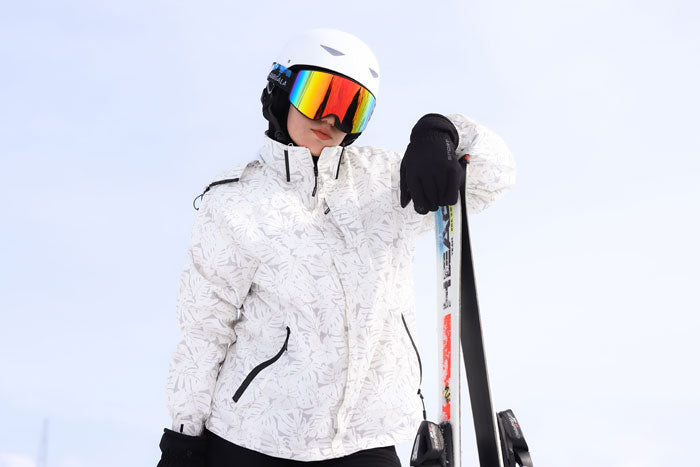
For winter hiking, dress in three layers: a moisture-wicking base layer, an insulating mid layer, and a windproof or weather-resistant outer layer. Choose flexible, warm hiking pants, insulated socks, suitable boots, gloves, and a hat. For snowy or icy trails, consider gaiters and traction aids when conditions require them. Always adjust your clothing to the temperature, wind, precipitation, and activity level.
I still remember my first winter climb up the Brocken in Germany's Harz Mountains. After a few hours in the cold, my fingers were barely usable, and my jeans felt stiff and uncomfortable. The wind swept across the exposed ridges, and hoar frost covered the trees. Since then, after many winter hikes in the Harz, the Thuringian Forest, and the Ore Mountains, I have learned one important lesson: the right clothing can make all the difference between enjoying a winter hike and struggling through it.
Anyone heading out in winter has to be prepared for changing conditions. It can be fairly mild down in the valley while an icy wind hits an exposed ridge. Add snow, moisture, and longer breaks during which your body cools down quickly, and you can see why a well-thought-out winter hiking clothing system matters. With the right layers in place, most of these conditions are easier to manage.
The Winter Hiking Layering System: Three Layers That Work Together
I dress for winter using the onion principle, following general cold-weather layering guidelines. Instead of one very thick jacket, I prefer several layers that each do a specific job. That way I can react when I get warm on a climb or when the wind picks up on an open stretch.
Right against my skin, I wear a thin base layer made of merino wool or synthetic fiber. It should move sweat away from the body and dry quickly. On top comes an insulating layer, for example a fleece or a light insulated jacket. The outer layer protects against wind and precipitation. Depending on the weather, a softshell jacket is enough, or I need a waterproof hardshell.

I leave cotton at home on winter hikes. It soaks up moisture and dries slowly. If I sweat on the climb and then stop at a windy viewpoint, a damp cotton shirt can turn uncomfortably cold very fast. Technical fabrics are the better choice here.
A common mistake is starting out overdressed in the parking lot. Your body produces a lot of heat while hiking. If I am bundled up before the first step, I usually start sweating within minutes. So I start a little lighter and keep an extra layer ready in my backpack.
Your Legs: Pants for Cold, Windy and Snowy Trails
Choosing winter hiking pants depends on the conditions. Regular thin hiking pants often give too little insulation in low temperatures. A classic ski pant, on the other hand, can be too warm for longer walks and restrict your movement.

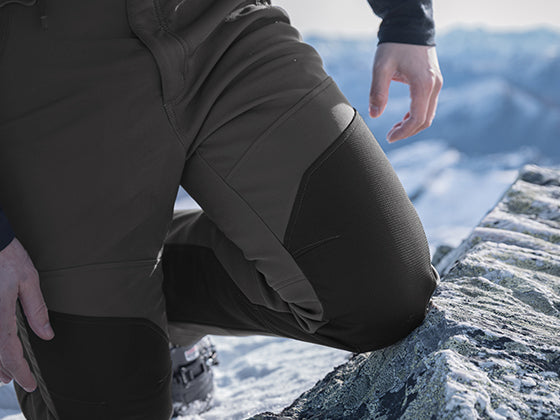
So I look for pants that combine warmth, mobility and some weather protection. A soft inner lining feels great in the cold. Stretch fabric makes steep trails, stepping over obstacles and climbing through snowy sections much easier. At the same time, the outer fabric should not soak up moisture at every contact with snow.
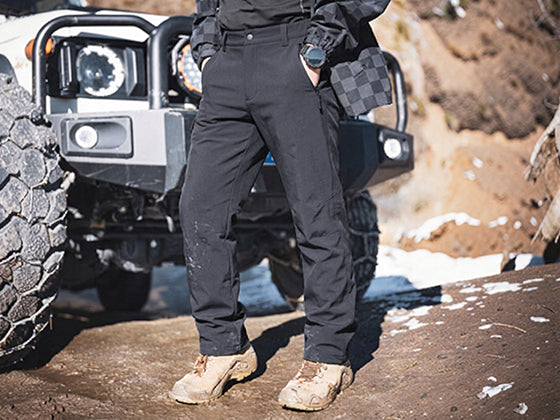
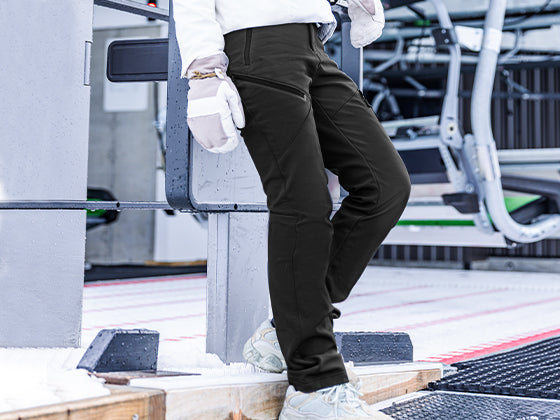
During my research, I came across two Moosehill models that fit this category. The Men's Hiking Pants Fleece Lined Waterproof – SnowVenture M041 has a fleece lining and stretch fabric, according to the manufacturer. It also has several zippered pockets and zippers at the leg openings, which can be handy for putting the pants on and off and for adjusting them to different boots. When it comes to water resistance, I would be careful with the wording: the product page uses the term "waterproof" but also describes a grade-4 water resistance. Without a clearly stated water column rating, I would not assume full waterproofing.

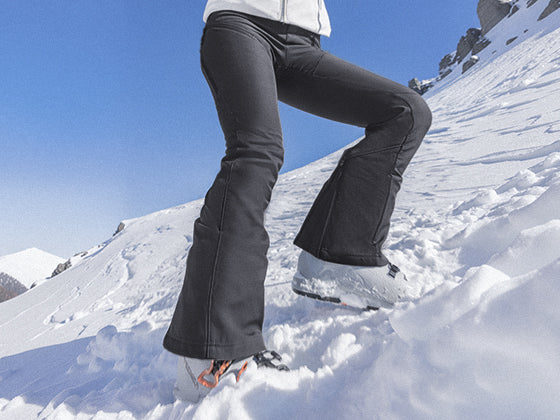
For women, the Women's Flare Hiking Pants – SnowVenture W021 is another option. It is described as a fleece-lined softshell pant with 4-way stretch. The flared leg openings can be adjusted in width with snaps, and there are several zippered pockets. Freedom of movement matters a lot in winter hiking pants. When you climb uphill, take long strides or step over snowy roots, nothing should pull or pinch.
Pants like these can be a practical solution for normal winter hikes. For longer tours in heavy precipitation or very wet snow, though, I would always check the actual weather protection as well. Fleece-lined pants are not automatically fully waterproof pants.
Cold and Wind: Don't Underestimate Wind Chill
On exposed ridges, the temperature can feel much worse than in the sheltered forest. Understanding how wind chill increases heat loss helps explain why moving air chills bare skin so quickly. Even when the thermometer shows only a few degrees below zero, a strong wind can chill bare skin quickly.

That is why a windproof outer layer is part of my basic kit. A warm jacket alone does not help much if the wind blows straight through the fabric. In changeable weather, I would rather carry an extra thin layer than rely only on one very thick jacket.
Behavior on the trail plays a big role too. During longer breaks, I put on an additional insulating layer before I get cold. While you walk, your body is warm, but as soon as you slow down, heat production drops. At viewpoints or summits, that can become uncomfortable fast.
A thermos with hot tea is therefore a fixed part of my pack on longer winter hikes. It is not only pleasant, it also makes sure I drink enough during the break. If you take regular short breaks, also avoid standing still for long in sweaty clothing.
Snowy Trails: Dry Snow Is Not the Same as Wet Snow

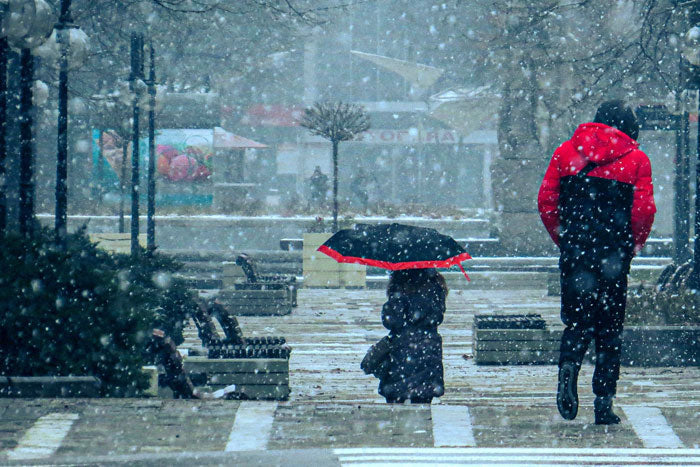
Snow comes in many forms. With dry powder, the flakes often stay on the surface of your clothing at first and are easy to shake off. Heavy, wet snow is a different story. Especially around freezing, it sticks to your pants and brings moisture into the fabric.
That is why I distinguish between water-resistant and waterproof clothing. Water-resistant materials can handle light precipitation and brief contact with snow. During long contact with wet snow, heavy snowfall or rain, their limits are reached quickly. A waterproof outer layer offers more protection in those situations.
Another weak spot is the transition between pants and boots. In deep snow, snow can fall into your hiking boots from above. Gaiters prevent that and also protect the lower part of your pants. On one winter hike in the Thuringian Forest, I experienced first-hand how unpleasant it is when snow gets into the boots without gaiters. Wet socks are no fun on a long tour.
If you regularly hike in deep snow, don't think of gaiters as unnecessary extras. They are easy to pack and can make a big difference on the trail.
Feet, Hands and Head
For your feet, the right combination of boots and socks pays off. On winter hikes, I like to wear merino socks because they feel good and still insulate well when slightly damp. It is important that your boots have enough room, though. If your toes are squeezed, circulation suffers and your feet cool down faster.

With boots, I look for a grippy tread and good support. On icy trails, even good hiking boots can reach their limits. Depending on conditions, microspikes or other suitable traction aids make sense. They belong on your boots only when the surface is suitable for them.

For my hands, I rely on warm gloves that still allow enough dexterity. After all, I want to take a photo or work the zipper on my jacket along the way. I also like to carry a thin spare pair. If the first gloves get wet, a dry pair is an easy way to get warmth back into your hands.

For your head, a hat and a buff are enough on many tours. The hat should cover your ears, while the buff can be pulled up over your neck or part of your face in stronger wind. On open trails, that makes a noticeable difference.
What Else Belongs in Your Backpack
On winter hikes, I plan more reserves than in summer. An extra insulating layer, a small first-aid kit, a headlamp and an emergency blanket are part of my basic kit on longer tours. A small snack and enough to drink are a must as well.

The headlamp is especially important because it gets dark early in winter. An unplanned detour or a longer break can mean you return later than expected. Beyond basic winter hiking safety tips, I always tell someone at home about my planned route and my approximate return time.
Keep your smartphone warm if you can. In low temperatures, the battery can lose power faster. A power bank is a sensible addition on longer tours.
My Winter Hiking Checklist
Before I head out in winter, I quickly check my gear:
•Base layer made of merino wool or synthetic fiber
•Fleece or another insulating mid layer
•Windproof and weatherproof jacket
•Lined, flexible winter hiking pants
•Warm hiking socks and suitable boots
•Gloves and a spare pair
•Hat and buff
•Gaiters for deep snow
•Thermos and enough food
•Headlamp and first-aid kit
•Smartphone with enough battery and, if needed, a power bank
Winter hiking doesn't require expedition gear. What matters is that your individual pieces work together and that you can react to changing conditions along the way. A good base layer, an insulating layer, weather protection and the right pants form the foundation. The rest depends on the length of the hike, the temperature and the terrain.
One habit has stayed with me to this day: I regularly check on the trail whether I am dressed too warm or too cold. On a February hike along the Rennsteig near Oberhof, I eventually carried my hat in my hand because I had warmed up while walking. Later, on the windy ridge, I pulled it back over my ears and zipped my jacket up to my chin. This simple adjusting makes a big difference for me. If you react in time, you often get by with less clothing and still enjoy a comfortable day outdoors.
FAQ:
What is the best way to dress for winter hiking?
The best approach is to dress in layers: a moisture-wicking base layer, an insulating mid layer, and a weather-resistant outer layer. Choose suitable hiking pants, warm socks, boots, gloves, and a hat based on the weather and trail conditions.
Are jeans suitable for winter hiking?
Jeans are generally not ideal for winter hiking because denim absorbs moisture, dries slowly, and can become stiff and uncomfortable in cold conditions. Stretchy outdoor pants are usually a more practical choice.
Are fleece-lined pants good for winter hiking?
Yes. Fleece-lined pants can provide extra warmth and comfort in cold conditions, especially on relatively dry trails. However, fleece lining does not automatically make pants waterproof, so consider additional weather protection when hiking in wet snow or rain.
What should I pack for a winter hike?
Bring an extra warm layer, suitable food and water, a first-aid kit, a headlamp, an emergency blanket, and a fully charged phone. Depending on the trail conditions, gaiters and traction aids may also be useful.
--- END ---
For more details about Snow & Ski Clothing , please click to choose the best-fitting products!

【Ski & Snow Advice】
· Are Fleece-Lined Pants Warm Enough for Snow?
· What pants are good for snow
· Can Snow Pants Be Used as Rain Pants?
· Fleece-Lined vs. Convertible Hiking Pants: Which Outdoor Pants Do You Need for Cold Weather?
【Hiking Advice】
· Why 4-in-1 Hiking Pants Are the Future of Outdoor Clothing
· Sustainable Hiking Gear: Why Buying Better Matters
· Hiking Pants vs. Leggings: Why Trekking Trousers Win for Spring
· The Golden Rules for Hiking in 2026
· Hiking Tips: What are the best foods for hiking?
· What Do You Need to Wear for Hiking?
【Biking Advice】
· What shorts do Mountain Bikers wear?
· Why Are Mountain Bike Shorts Padded Instead of the Seat?
· Comfortable and Stylish: 5 Expert Tips for Bike Shorts
【Golfing Advice】
· Do You Wear Pants or Shorts to Golf?
· Quick Guide: Choosing the Perfect Golf Pants
· 4 Tips to Efficiently Choose Your Golf Clothing and Accessories