




First Time Skiing? What to Wear and Essential Gear Checklist
Quick Answer:
For your first ski day, wear a moisture-wicking base layer, a warm mid layer, and a weatherproof ski jacket and pants. Choose thin ski socks, warm waterproof gloves, a properly fitted helmet, and ski goggles. You can usually rent skis, boots, and poles at the resort instead of buying them before your first trip.
My first ski day at the Fichtelberg started with jeans, a cotton sweater and a lot of optimism. After my first few falls on the beginner slope, my jeans were soaked. They soon clung to my thighs, cold and uncomfortable, and I ended up shivering in the lodge while everyone else came off the lift with rosy cheeks. Ever since, I have learned that what you wear when skiing for the first time can make a big difference between enjoying the day and simply waiting to get back somewhere warm.
The conditions themselves could hardly have been better. Sunlight spilled over the Ore Mountains, fresh grooming lines striped the snow, and chairlifts carried skiers up the hill one after another. The only thing wrong that day was my outfit. If you're skiing for the first time, you don't need to buy the most expensive gear right away. But you should know which clothing and equipment really matter and what to look for when choosing them.

First-Time Skiing Clothing Checklist
| Category | What to Wear / Bring | What to Look For |
|---|---|---|
| Base Layer | Thermal underwear | Moisture-wicking, comfortable fit |
| Mid Layer | Fleece or insulated jacket | Warmth and breathability |
| Outer Layer | Ski jacket | Wind and weather protection |
| Ski Pants | Insulated or fleece-lined ski pants | Water resistance, stretch, comfortable fit |
| Gloves | Ski gloves | Warmth and water protection |
| Socks | Ski socks | Thin, snug-fitting, moisture-managing |
| Head Protection | Ski helmet | Proper fit and comfort |
| Eye Protection | Ski goggles | Suitable lenses for changing light conditions |
| Sun Protection | Sunscreen and lip balm | Protection from UV exposure, wind, and dry air |
| Extra Items | Spare gloves, buff, water bottle, and snacks | Comfort and backup essentials |
Base Layers for Skiing: What Should Beginners Wear?
Right against my skin, I now wear technical underwear made of merino wool or synthetic fiber. It fits close to the body and helps move moisture away. That matters in skiing, because even beginners work up a sweat. The walk to the lift, practicing on the beginner slope and getting up again and again after a fall can be more tiring than you expect.

Cotton is less suitable. It absorbs moisture and dries slowly. Following general layering and avoiding cotton in cold weather helps keep your body temperature steady as your activity level shifts. Technical underwear is therefore one of the smartest buys for your first ski day.
Your base layer should fit snugly without cutting in. If it bunches up or presses in certain spots, that quickly becomes annoying under several layers. In very cold temperatures, a slightly warmer base layer can make sense. In mild weather, a thinner version is often enough.
How to Choose Ski Pants for Beginners
Ski pants are the piece beginners underestimate most. Between sitting down to buckle your boots, kneeling to check a binding and pushing yourself upright after a tumble, you spend a surprising amount of time pressed against the snow. Jeans and thin hiking pants soak through quickly in those moments, which makes them a poor match for a first day.

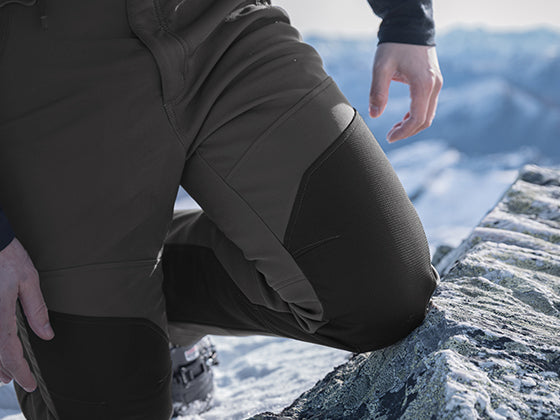
When I choose ski pants, I look for a few things. The material should be at least water-repellent, so that light contact with snow doesn't immediately lead to wet clothes. A warm inner lining feels good in cold conditions. At the same time, the pants should give you enough freedom to bend over, go down on your knees and stand up again.
Adjustable waist sizes and leg openings that fit over your ski boots are practical too. If the pant legs are too short or don't sit properly over the boots, snow can get in more easily. Zippers at the leg openings make it easier to put the pants on and adjust them.

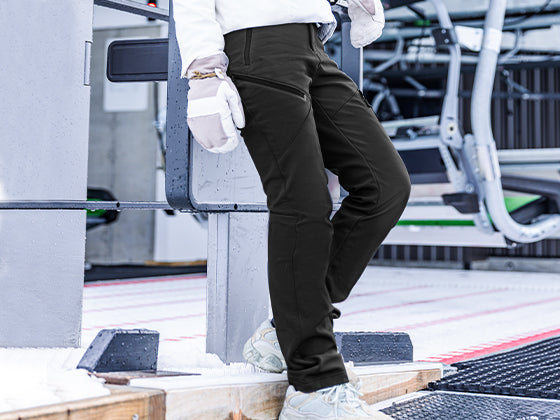
At Moosehill, two models caught my eye that could be interesting for this use. The Men's Snow Ski Fleece Lined Pants – SnowVenture M055 is described by the manufacturer as a fleece-lined, water-repellent ski pant. It has several zippered pockets and leg openings with zippers and buckles that are meant to make fitting over ski boots easier.

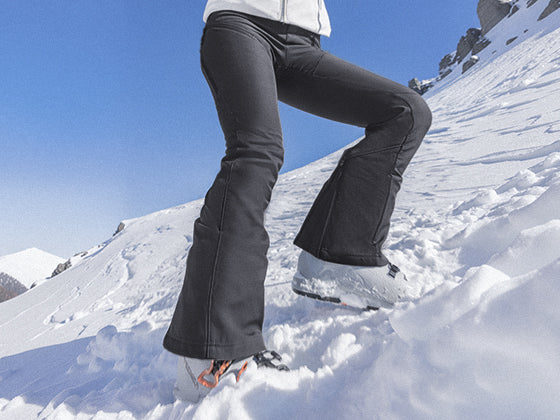
The Women's Snow Ski Fleece Lined Pants – SnowVenture W021 is also described as a water-repellent softshell pant with a fleece lining. It adds an adjustable waist, expandable ankle cuffs and several pockets. According to the product details, both models are made of polyester with some spandex. That can help when you move, because the fabric doesn't feel as rigid as some less elastic pants.
What matters, though, is the difference between water-repellent and waterproof. These models are described as water-repellent. That doesn't automatically mean they keep you completely dry during constant contact with wet snow. Beginners who sit or fall in the snow more often should keep this in mind when choosing.
I would also try on new ski pants once at home, fully dressed. Squat down, bend forward and lift your knees one after the other. If anything pulls or your movement is restricted, it is much more pleasant to find out in the living room than in the middle of the slope.
| Feature | Why It Matters | What Beginners Should Look For |
| Water Protection | Helps keep you dry when sitting or falling in snow | Water-resistant or waterproof fabric |
| Insulation | Helps maintain warmth in cold conditions | Fleece lining or suitable insulation |
| Stretch | Makes bending, kneeling and standing easier | Flexible fabric with stretch |
| Waist Fit | Helps keep pants comfortable during movement | Adjustable waistband |
| Boot Compatibility | Helps reduce snow entering around the boots | Leg openings designed to fit over ski boots |
| Pockets | Keeps small essentials within reach | Secure zippered pockets |
What to Wear Under a Ski Jacket
Over the base layer, I wear an insulating mid layer, for example a fleece or a light insulated jacket. On top goes an outer ski jacket that blocks wind and snow. The principle is similar to winter hiking: several layers adapt better to conditions than one very thick garment.

Your mid layer should be warm enough but not so thick that you can hardly move. In skiing, you work with your arms and legs, and beginners often move harder because they don't have the technique yet. If you break a sweat easily, a combination that is too warm can become unpleasant later on the lift.
With a ski jacket, a well-fitting hood, sleeves that are long enough and pockets that close securely are helpful. A snow skirt can keep snow from getting under your jacket when you fall. A ski pass pocket on the sleeve is practical too, because you can show your pass quickly at the lift.
Essential Ski Accessories for Beginners
With accessories, I wouldn't skimp unnecessarily. Gloves should be warm and, ideally, waterproof. Beginners often reach into the snow when they get up, and ordinary knitted gloves soak through quickly. Understanding how cold and wind increase frostbite risk is a helpful reminder to keep hands, head, and face well protected on exposed slopes.

For ski socks, the rule is thin and well-fitting rather than extra thick. They should reach above your ankle and sit without wrinkles. Socks that are too thick take up room in the ski boot. If the boot pinches because of that, your feet don't get warmer. On the contrary, pressure points can impair circulation.
Ski goggles protect your eyes from wind, snow and intense sunlight. In changing light, a suitable lens helps you see bumps on the slope better. Ordinary sunglasses are not always an equal replacement, especially in snowfall or stronger wind.
A helmet is a given for me. Beginners fall more often because they are still learning balance and movement. A well-fitting ski helmet protects your head and should neither wobble nor press uncomfortably. It also needs to work with the rest of your gear.
Sunscreen and lip balm belong in your pocket too. Snow reflects sunlight, and even on cold days the UV exposure on the mountain can be high. Wind and dry air also stress your lips.
5 Common Ski Clothing Mistakes Beginners Should Avoid
A common mistake is wearing too many thick layers. If you start in the morning in several heavy sweaters, you may already be sweating after the first exercises. Later, on the lift or during a break, the moisture in your clothes can chill you. A flexible layering system, where you can take off or put on a layer, is better.
Socks that are too thick are a classic as well. They feel warm at first but can take up too much space in the ski boot and create pressure. It is just as unwise to stuff your pant legs into your ski boots. The pants should sit over the outer part of the boot designed for this, so snow can't get in as easily.
Another mistake is taking gloves seriously only once your fingers are already cold. On your first ski day especially, make sure they stay dry and warm from the start. A spare pair in your backpack can help.
Should Beginners Rent or Buy Ski Gear?
If you are skiing for the first time, you don't need to buy a full set of gear right away. Skis, ski boots and poles can usually be rented on site. That saves money and keeps you from buying gear that may not fit your skiing style or needs later. The staff at the rental shop can match the gear to your height and ability.

With clothing, it looks a bit different. Technical underwear, gloves and ski socks can be used for other winter activities too. Suitable ski pants and a weatherproof jacket also make sense in the long run if you spend time in the snow regularly. For helmet and goggles, the options differ by rental shop. If you are not sure, you can ask what is available on site.
What to Pack for Your First Ski Day
For a normal ski day, a small backpack or a well-organized jacket pocket is enough. I would pack a spare pair of gloves, a water bottle, an energy bar, tissues and sunscreen. An extra buff can also be useful when the wind picks up or the first one gets damp.

Your smartphone should also be protected and not exposed to the cold all the time. In low temperatures, the battery can run out faster. Following basic winter mountain and weather safety guidelines is especially helpful when weather shifts quickly or you stay out for a full day. A small power bank is a sensible addition for longer days.
First-Time Skiing Checklist: Clothing and Gear
Before you hit the slope for the first time, a quick gear check helps:
•Base layer made of merino wool or synthetic fiber
•Fleece or another insulating mid layer
•Weatherproof ski jacket
•Well-fitting, water-repellent ski pants
•Warm, ideally waterproof gloves
•Thin, tall ski socks
•Ski helmet
•Ski goggles
•Sunscreen and lip balm
•Skis, ski boots and poles, rented if needed
•Spare gloves and a buff
•Water bottle and a small snack
•Smartphone and, if needed, a power bank
With this basic setup, you are well prepared for your first ski day. You don't need complete professional gear, and you don't have to own every accessory right away. What matters far more is that your clothing fits, keeps you dry and gives you enough room to move.
My most important tip is not to put your gear together on the morning of your ski day. Try your clothing on at home beforehand and check that everything works together. Then you can focus on what the day is really about: your first turns, the feel of the skis and the fun in the snow. Everything else you learn with every run.
FAQ:
1. What should I wear for my first time skiing?
For your first ski day, wear a moisture-wicking base layer, an insulating mid layer, and a weatherproof ski jacket and pants. Add thin ski socks, warm waterproof gloves, a ski helmet, and goggles. Dressing in layers helps you stay comfortable as temperatures and activity levels change.
2. Can I wear jeans or regular pants skiing?
No. Jeans and regular everyday pants are not suitable for skiing because they absorb moisture, dry slowly, and offer little protection against cold and wet snow. Ski pants are designed to provide better weather protection, warmth, and freedom of movement.
3. Do I need special ski pants as a beginner?
Yes, suitable ski pants make a big difference, especially for beginners who fall, kneel, and sit in the snow more frequently. Look for water-resistant or waterproof fabric, enough insulation for the weather, comfortable stretch, and leg openings that fit properly over your ski boots.
4. What should I wear under my ski jacket?
Wear a moisture-wicking base layer next to your skin, followed by an insulating mid layer such as fleece. Avoid cotton because it absorbs sweat and dries slowly. Adjust the thickness of your layers according to the temperature and how active you are.
5. Are fleece-lined ski pants warm enough for skiing?
Fleece-lined ski pants can provide extra warmth and comfort in cold conditions. However, warmth and water protection are two different things. Check the pants' water-resistance or waterproof rating, especially if you expect to spend a lot of time sitting or falling in wet snow.
6. Should beginners rent or buy ski gear?
For your first ski trip, renting skis, ski boots, and poles is usually a practical choice. You can try skiing without making a large upfront investment. Clothing such as base layers, gloves, and ski socks is worth considering for purchase because you can also use it for other winter activities.
7. How thick should ski socks be?
Ski socks should generally be thin to medium-weight, snug-fitting, and long enough to extend above your ski boots. Avoid extra-thick or wrinkled socks because they can create pressure inside your boots and restrict circulation, making your feet feel colder.
8. Do I need a helmet and goggles for my first ski day?
Yes. A properly fitted ski helmet helps protect your head in case of a fall or collision. Ski goggles protect your eyes from wind, snow, and bright sunlight while improving visibility in changing conditions. Both are important parts of your basic ski equipment.
9. What should I pack for a beginner ski day?
Pack a spare pair of gloves, a water bottle, a small snack, tissues, sunscreen, lip balm, and an extra buff. Keep your phone protected from the cold, and consider bringing a small power bank if you plan to spend a full day on the mountain.
--- END ---
For more details about Snow & Ski Clothing , please click to choose the best-fitting products!

【Ski & Snow Advice】
· Are Fleece-Lined Pants Warm Enough for Snow?
· What pants are good for snow
· Can Snow Pants Be Used as Rain Pants?
· Fleece-Lined vs. Convertible Hiking Pants: Which Outdoor Pants Do You Need for Cold Weather?
【Hiking Advice】
· Why 4-in-1 Hiking Pants Are the Future of Outdoor Clothing
· Sustainable Hiking Gear: Why Buying Better Matters
· Hiking Pants vs. Leggings: Why Trekking Trousers Win for Spring
· The Golden Rules for Hiking in 2026
· Hiking Tips: What are the best foods for hiking?
· What Do You Need to Wear for Hiking?
【Biking Advice】
· What shorts do Mountain Bikers wear?
· Why Are Mountain Bike Shorts Padded Instead of the Seat?
· Comfortable and Stylish: 5 Expert Tips for Bike Shorts
【Golfing Advice】
· Do You Wear Pants or Shorts to Golf?
· Quick Guide: Choosing the Perfect Golf Pants
· 4 Tips to Efficiently Choose Your Golf Clothing and Accessories