

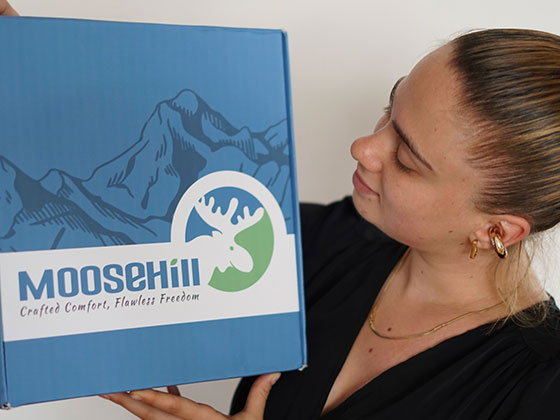

Sustainable Hiking Gear: Why Buying Better Matters
Introduction
Sustainable hiking gear is not only about recycled materials or eco-friendly branding. In reality, the most sustainable outdoor gear is often the gear that lasts the longest. High-quality hiking clothing reduces replacement frequency, lowers long-term waste, and supports a more sustainable outdoor lifestyle.
Whenever I talk with other hikers about sustainable hiking, the conversation usually starts with obvious topics like reducing litter on trails, lowering CO₂ emissions from travel, or protecting natural landscapes. All of these aspects are important—no question about it. But in my experience, sustainability in the outdoors actually begins much earlier: at the moment we decide what gear to buy and how long we truly use it.

Over the years, I’ve realized that sustainable hiking starts long before reaching the trail — it starts with the gear we choose to buy and how long we actually use it. People buy cheap outdoor clothing, use it for a short time, and then replace it. On the surface, it may seem like a budget-friendly choice. In reality, it creates a cycle of overconsumption, unnecessary waste, and higher environmental impact in the long run.
For me, one core principle has emerged from this experience: buy less, buy better.
Sustainability in hiking doesn’t start on the trail—it starts at the point of purchase.
What Is Sustainable Hiking Gear?

Sustainable hiking gear refers to outdoor equipment designed for durability, long-term use, and reduced environmental impact over time.
Instead of focusing only on recycled materials, sustainable outdoor gear also emphasizes product lifespan, repairability, and versatility.
Why Cheap Hiking Gear Creates More Waste?
What I’ve learned over time is that cheap outdoor gear often looks sustainable or practical at first glance, but usually has the opposite effect in reality.
Many low-cost outdoor products today follow a fast-fashion-like production model. They are manufactured quickly, often with a focus on cost efficiency rather than durability.

The result becomes visible after only a short time of use:
•Waterproof coatings wear off quickly
•Seams begin to fail or tear
•Fabrics lose structure and durability
•Zippers break far earlier than expected
I’ve experienced this myself many times, especially in my earlier hiking years when I focused more on price than quality. Instead of relying on one durable hiking pair of trousers for several seasons, I often ended up replacing gear every year.
The issue is not only financial. Every new product also means:
•Raw material consumption (e.g. polyester, nylon)
•Energy usage during production
•Global transportation emissions
•Packaging waste
•and ultimately: landfill waste
In the context of sustainable hiking gear, this difference between long-term use and constant replacement is often underestimated.
Another important aspect I’ve noticed: low-quality gear often reduces the enjoyment of being outdoors. If your equipment fails or feels uncomfortable, your experience in nature becomes less enjoyable—and that indirectly reduces motivation to spend time outside.
Why Buying Less Is More Sustainable?

At some point, I consciously changed the way I approached outdoor gear. Instead of buying many cheap items, I started investing in fewer but higher-quality products.
At first, this mindset feels unfamiliar, especially if you are used to budget outdoor gear. But over time, the difference becomes very clear.
High-quality outdoor clothing, in my experience, means three things:
1.Longer lifespan
2.Better performance in real outdoor conditions
3.Fewer replacements over time
I currently still use gear that I bought several years ago—and that alone shows the difference. When a product lasts 3–5 years or more, the higher initial price quickly becomes irrelevant.
Beyond sustainability, there is also a practical benefit: better gear improves the hiking experience. When you trust your equipment, you can focus more on the trail itself instead of worrying about failures or discomfort.
Another often overlooked factor is mindset. Buying less naturally leads to more conscious decisions. You take better care of your gear, you repair it instead of replacing it, and you value durability over trends.
What Makes Hiking Gear Sustainable?
Many people associate sustainability with labels or marketing terms. In reality, true sustainability in outdoor clothing is much simpler—and stricter.
From my experience, sustainable hiking gear is based on four core principles:
1. Durability
A product is only sustainable if it lasts a long time.
One durable pair of waterproof hiking pants is better than three cheap ones.

2. Repairability
Gear should be repairable whenever possible.
A small tear should not automatically mean replacement.
3. Versatility
Good outdoor clothing works in multiple scenarios:
•hiking
•travel
•everyday use
This reduces the total number of items needed.
4. Responsible production
More brands are improving their manufacturing standards and materials, which is a positive development—but it does not replace the importance of long-term use.
Another important but often overlooked factor is real-world usability. Gear that works in multiple environments is simply used more often—and that alone makes it more sustainable.
Is Polyester Sustainable for Hiking Gear?
Polyester can be sustainable for hiking gear when used in durable outdoor clothing designed for long-term use.
The environmental impact of polyester depends less on the material itself and more on how long the product lasts before replacement.
The honest answer: it depends on how it is used.
Polyester has clear advantages:
•lightweight
•quick-drying
•durable
•weather-resistant
In real hiking conditions, these properties are extremely practical. In many cases, synthetic fabrics outperform natural materials, especially in wet or changing mountain environments.
The environmental issue does not come from the material itself, but from short product lifecycles.
A high-quality polyester hiking garment that lasts for many years is far more sustainable than multiple cheap alternatives that need frequent replacement.
Additionally, recycled polyester is increasingly used in outdoor clothing, which helps reduce environmental impact further.
Ultimately, in real-world hiking situations, performance and durability often matter more than theoretical material debates.
How to Make Hiking Gear Last Longer
One of the most underestimated aspects of sustainability is how we take care of our gear.
I’ve seen many outdoor products wear out much faster than necessary simply due to poor maintenance.
Simple Gear Maintenance Checklist
•Wash outdoor gear less frequently
•Use low-temperature washing
•Avoid high heat drying
•Store gear in dry environments
•Repair small tears early
Especially with long-lasting trekking pants or technical jackets, these habits can significantly extend lifespan.
I personally still use gear that is far older than expected—simply because I maintain it properly instead of replacing it early.
Why Durable Hiking Pants Are More Sustainable?

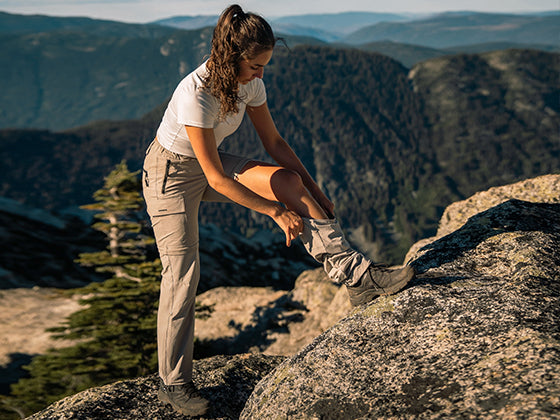
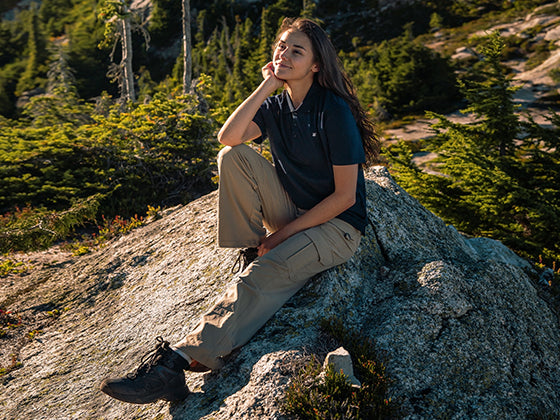
Hiking pants are one of the most heavily used pieces of outdoor gear. They need to handle movement, abrasion, changing weather, and long hours of use.
In the past, I often used cheaper models that worked for a while but wore out quickly. Today, I focus on durable, functional options that can handle long-term use.
Modern cargo hiking pants, for example, offer several advantages:
•high durability
•multiple functional pockets
•versatility for hiking, travel, and daily use
•strong balance between comfort and performance
A good example in this category are products like Moosehill hiking cargo pants, which combine functionality with long-term outdoor usability.
The key idea is not the brand itself, but the principle: one high-quality product replaces several low-quality ones.
How Moosehill Approaches Durable Outdoor Gear

At Moosehill, we believe sustainable hiking gear should balance durability, comfort, and long-term usability.
Instead of designing products for short-term trends, we focus on versatile outdoor clothing that supports hiking, travel, and everyday outdoor use.
Conclusion
Looking back at my hiking experience over the years, one thing has become very clear: sustainable hiking does not start on the trail—it starts at the moment of choosing your gear.
Cheap equipment often leads to more consumption, more waste, and a higher environmental footprint over time. High-quality outdoor gear, on the other hand, lasts longer, performs better, and reduces the need for constant replacement.
Perfect sustainability does not exist—but better decisions do.
For me, one simple principle has proven effective:
Buy less. Choose better. Use longer.
And that is where the real impact lies—not in theory, but in everyday decisions made by every hiker.
FAQ
About Sustainable Hiking Gear:
① Is expensive hiking gear more sustainable?
Yes, durable hiking gear is often more sustainable because it reduces replacement frequency and lowers long-term waste.
② How long should hiking pants last?
High-quality hiking pants can often last 3–5 years or longer with proper care.
③ Is polyester bad for the environment?
Polyester has environmental concerns, but durable long-lasting polyester garments can reduce overall waste compared to frequently replaced low-quality clothing.
--- END ---
For more details about hiking Clothing , please click to choose the best-fitting products!

【Hiking Advice】
· Hiking Pants vs. Leggings: Why Trekking Trousers Win for Spring
· The Golden Rules for Hiking in 2026
· Hiking Tips: What are the best foods for hiking?
· What Do You Need to Wear for Hiking?
· Top 7 Most Common Mistakes When Hiking
【Ski & Snow Advice】
· What pants are good for snow
· Can Snow Pants Be Used as Rain Pants?
【Biking Advice】
· What shorts do Mountain Bikers wear?
· Why Are Mountain Bike Shorts Padded Instead of the Seat?
· Comfortable and Stylish: 5 Expert Tips for Bike Shorts
【Golfing Advice】
· Do You Wear Pants or Shorts to Golf?
· Quick Guide: Choosing the Perfect Golf Pants
· 4 Tips to Efficiently Choose Your Golf Clothing and Accessories