


Waterproof Hiking Pants Care Guide: 5 Mistakes That Destroy DWR Protection
Introduction
I used to honestly believe that waterproof hiking pants simply “worked.” Once you bought them, the material would permanently keep rain out — no matter what. It wasn’t until I spent more time hiking in the mountains, traveling, and dealing with unpredictable weather conditions that I realized this is actually one of the biggest misconceptions about outdoor clothing.
During a six-hour hike near Fox Glacier in New Zealand, I experienced continuous light rain and temperatures around 45°F (7°C). After several hours, my pants stopped shedding water effectively. The rain itself wasn’t even particularly heavy, but after a while the fabric started feeling cold, heavy, and uncomfortable — almost like a sponge. At first, I assumed the quality of the pants had simply deteriorated. Later, however, I realized that the problem often isn’t the hiking pants themselves — it’s how we treat them.
Many outdoor trousers gradually lose their water-resistant performance because of common everyday mistakes. Incorrect washing, harsh detergents, excessive heat, or constant abrasion can wear technical fabrics down much faster than most people expect.
Modern waterproof hiking pants and water-resistant hiking pants are built from highly technical materials that offer excellent comfort and protection, but they also require proper care. And that’s exactly what many people underestimate — just like I did when I first got into hiking and outdoor travel.

Why Waterproof Hiking Pants Stop Repelling Water?
Most waterproof hiking pants lose their water resistance because of five common issues:
• Incorrect washing
• Fabric softener residue
• Excessive drying heat
• Abrasion from backpacks and terrain
• Neglecting DWR maintenance
Fortunately, most of these problems are preventable with proper care.
Waterproof vs Water-Resistant Hiking Pants
| Feature | Waterproof | Water Resistant |
|---|---|---|
| Rain Protection | Excellent | Moderate |
| Breathability | Lower | Higher |
| Weight | Heavier | Lighter |
| Best Use | Heavy rain | Daily hiking |

Mistake #1: Washing Technical Hiking Pants Incorrectly
Probably the most common mistake is also the simplest one: washing technical hiking pants the wrong way.
Years ago, I used to wash my outdoor clothing together with regular everyday laundry. I would throw in standard detergent, run a quick cycle, and think nothing of it. Unfortunately, this can slowly damage technical outdoor fabrics over time.
Many waterproof hiking pants and water-resistant hiking pants use a DWR coating (Durable Water Repellent). This coating helps water bead up and roll off the surface instead of soaking directly into the material.
Standard detergents, however, often attack this coating gradually. Aggressive cleaners or heavily perfumed detergents can significantly reduce the water-resistant properties of hiking pants after repeated washes.
Once I understood this, I started using dedicated technical wash products or very mild detergents without additives for most of my outdoor clothing.
The difference is honestly noticeable. The fabric maintains its performance much longer, dries more efficiently, and overall feels far more comfortable during long hikes or travel days.

Mistake #2: Fabric Softener Can Ruin Waterproof Materials
One of the worst mistakes, in my experience, is using fabric softener on technical outdoor clothing.
A lot of people automatically use fabric softener because it makes clothing smell fresher or feel softer. But with outdoor fabrics, it often does the exact opposite of what you want.
Fabric softener leaves a thin residue over the fibers, which can negatively affect:
•moisture-wicking performance
•breathability
•and even the water-resistant protection itself
This becomes especially noticeable with lightweight hiking pants or modern cargo hiking pants. The material may suddenly feel heavier, dry more slowly, or lose its ability to move moisture away from the body effectively.
Ever since I learned this, I completely stopped using fabric softener for outdoor gear. Honestly, I don’t miss it at all.
Technical hiking pants are designed to work with the body by balancing comfort, airflow, and moisture management. Once fabric softener interferes with those properties, even the best hiking pants can start performing noticeably worse.

Mistake #3: Using Too Much Heat While Drying
Another thing many people underestimate is heat.
After rainy hikes or wet travel days, it’s tempting to dry hiking pants as quickly as possible — either by using a dryer or placing them directly on a heater.
Unfortunately, excessive heat can seriously damage technical outdoor materials.
Waterproof membranes and DWR coatings are often sensitive to high temperatures. Over time, this can lead to membrane damage, causing the fabric to lose its protective performance much faster.
The question “Can you put waterproof pants in the dryer?” doesn’t have one universal answer. Some manufacturers allow low heat settings to help reactivate the DWR coating, while others recommend completely avoiding tumble drying.
Personally, I mostly air dry my hiking pants now. It takes longer, but it feels significantly gentler on the material in the long run.
One thing I learned the hard way, however, is that direct sunlight can also become a problem. Years ago, one of my favorite outdoor shirts developed faded bright spots after drying in intense sun for too long. Since then, I try to dry technical clothing in shaded, well-ventilated areas whenever possible.

Mistake #4: Abrasion and Everyday Wear
Another issue many hikers underestimate is abrasion.
Rain and washing aren’t the only things that affect technical hiking pants. Regular everyday friction also slowly wears the fabric down.
During hikes, abrasion happens constantly through:
•heavy backpacks
•rocks and rough surfaces
•sitting on the ground
•or repeated kneeling on hard terrain
Over time, this especially affects the outer water-resistant layer of the fabric.
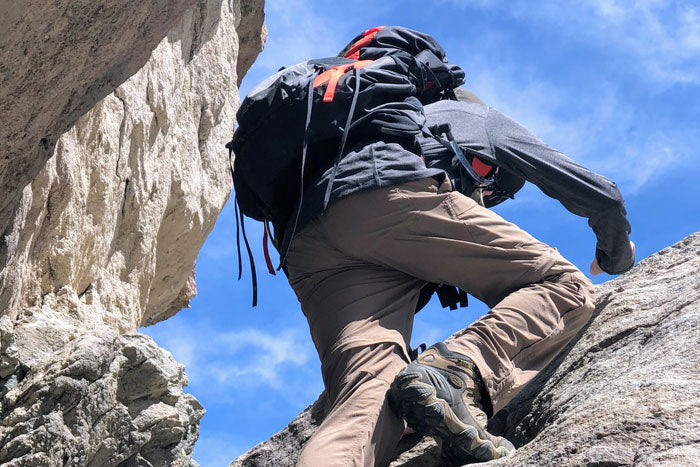
I noticed this myself with older hiking pants that I eventually started wearing almost daily — not only outdoors, but also during travel and everyday activities. Areas around the knees and thighs gradually lost their ability to repel water effectively.
Since then, I’ve paid much closer attention to abrasion resistance and to avoiding unnecessary wear on technical clothing.
That’s one reason why I appreciate modern hiking pants like the Moosehill Men’s Hiking Cargo Pants Water-Resistant Quick Dry or the Moosehill Women’s Hiking Pants Lightweight Quick Dry Water Resistant. Both use lightweight yet relatively durable materials that feel much more suitable for regular long-term use, whether on the trail, while traveling, or during daily activities.
What I personally like is that they balance flexibility, comfort, and durability without feeling overly heavy or stiff like older outdoor trousers often did.

Mistake #5: Confusing Waterproof and Water-Resistant Pants
One of the biggest misunderstandings in outdoor clothing is still the difference between waterproof vs water-resistant pants.
A lot of people automatically expect water-resistant hiking pants to provide complete protection during hours of heavy rain. In reality, that’s not how these materials are designed to work.
Most water-resistant hiking pants are intended to handle:
•light rain
•moisture and mist
•fog
•light snow
•or short rain showers
Because of this, they are usually lighter, more breathable, and more comfortable for everyday hiking or travel.
Fully waterproof hiking pants, on the other hand, provide stronger weather protection but are often less breathable and can feel warmer during physically demanding activities.
Over time, I realized that the ideal hiking setup usually isn’t about maximum waterproofing — it’s about finding the right balance.
After all, even the best waterproof hiking pants become uncomfortable if you overheat underneath them and end up wetter from sweat than from the actual rain itself.

What I Do Differently Today
Over the years, my entire approach to caring for outdoor clothing has changed.
Today, I pay much more attention to:
•washing technical clothing gently
•avoiding fabric softener completely
•protecting materials from excessive heat
•and regularly maintaining the DWR coating
The topic of maintain DWR coating is still heavily underestimated, in my opinion. Many people assume water-resistant outdoor gear should permanently function without any maintenance at all. In reality, even high-quality hiking pants eventually require some care.
These days, I usually notice relatively quickly when the water-resistant performance starts fading. One of the easiest signs is when rain droplets stop beading nicely on the surface.
Often, a proper cleaning or reapplying a DWR treatment is already enough to restore much of the fabric’s original performance.

Conclusion
If there’s one thing I’ve learned about outdoor clothing, it’s that good gear doesn’t only depend on what you buy — it also depends on how you treat it afterward.
Most problems with waterproof hiking pants don’t happen overnight. They develop slowly through small everyday mistakes: incorrect washing, too much heat, fabric softener, abrasion, or unrealistic expectations about the material itself.
Modern hiking pants have become far more versatile than they used to be. They’re expected to perform on the trail, remain comfortable during travel, and still look good enough for everyday use. But for that to work long term, technical outdoor clothing also needs proper care.
For me personally, that’s the difference between outdoor gear that only works temporarily and equipment you can genuinely rely on for years.
FAQ
How often should I wash waterproof hiking pants?
Every few hikes or whenever dirt and body oils begin affecting breathability.
Can waterproof hiking pants lose waterproofing?
Yes. Improper washing, abrasion, and DWR degradation can reduce water resistance over time.
How do I restore DWR coating?
Use a technical wash followed by a spray-on or wash-in DWR treatment.
Are water-resistant hiking pants waterproof?
No. Water-resistant pants handle light rain, while waterproof pants are designed for prolonged wet conditions.
How long do waterproof hiking pants last?
With proper care, quality hiking pants can remain effective for several years.
--- END ---
For more details about hiking Clothing , please click to choose the best-fitting products!

【Hiking Advice】
· From Office to Trail: How to Style Technical Cargo Hiking Pants for Urban and Everyday Wear
· Sustainable Hiking Gear: Why Buying Better Matters
· Hiking Pants vs. Leggings: Why Trekking Trousers Win for Spring
· The Golden Rules for Hiking in 2026
· Hiking Tips: What are the best foods for hiking?
· What Do You Need to Wear for Hiking?
【Ski & Snow Advice】
· What pants are good for snow
· Can Snow Pants Be Used as Rain Pants?
【Biking Advice】
· What shorts do Mountain Bikers wear?
· Why Are Mountain Bike Shorts Padded Instead of the Seat?
· Comfortable and Stylish: 5 Expert Tips for Bike Shorts
【Golfing Advice】
· Do You Wear Pants or Shorts to Golf?
· Quick Guide: Choosing the Perfect Golf Pants
· 4 Tips to Efficiently Choose Your Golf Clothing and Accessories