


Summer Hiking Layering Guide for the Bavarian Alps
Introduction
The layering system is one of the most important clothing strategies for summer hiking in the Bavarian Alps. Because alpine weather changes quickly with elevation, hikers need breathable, moisture-wicking, and weather-resistant layers that can adapt throughout the day.
 Whenever I hike in the Bavarian Alps during summer, I’m reminded how quickly conditions in the mountains can change. Down in the valley, you often start in nothing more than a T-shirt with pleasant temperatures. A few hours later, you’re standing somewhere on a ridge, the wind cutting through, suddenly grateful for every extra layer in your backpack.
That’s exactly why the so-called “layering system” eventually stopped feeling like just another hiking tip to me and became more of a basic rule. Multiple clothing layers that you can adjust flexibly often make the difference between feeling comfortable and safe — or asking yourself, “Why am I even doing this right now?”
I’ve experienced hikes around areas like the Watzmann and Zugspitze that started in bright sunshine during the morning, only to end in fog and cold wind by midday — sometimes even with rain or light snowfall. That’s honestly not unusual in the Alps, even during summer, especially since thunderstorms are very common in the afternoon. Weather changes happen faster than most people expect, and that’s usually the moment when you realize whether your gear is merely “okay” or whether it truly works.
What Is the Layering System for Hiking?
The hiking layering system is a clothing strategy based on multiple adjustable layers that regulate temperature, manage sweat, and provide weather protection during outdoor activities.
Most hiking layering systems include:
- a moisture-wicking base layer
- an insulating mid layer
- a protective outer shell layer
Why Is Layering Important for Hiking in the Alps?

The Bavarian Alps can feel a little deceptive during summer. Down in the valley, everything seems calm, warm, and stable. But the higher you climb, the more the weather starts playing by its own rules.
I remember one hike near the Blaueishütte with my girlfriend. We started early in short sleeves, and it felt completely right at the time. Two hours later, shortly before reaching the summit, the wind suddenly picked up, clouds rolled in, and the temperature dropped noticeably. Without an extra layer, things would have become pretty uncomfortable.
To make matters worse, we made a classic beginner mistake: we simply started too late. In the Alps, starting early is one of the most important rules. Ideally, you should reach the summit around midday at the latest. After that, you still have a long and often exhausting descent ahead of you — and mountain descents rarely forgive mistakes.
That’s exactly where layering shows its biggest advantage: you’re never locked into one setup. You can adapt.
There’s another factor many hikers underestimate: sweat. During steep ascents, you’ll naturally start sweating, no matter how fit you are. If your clothing can’t move that moisture away from your body properly, you either stay wet or cool down quickly as soon as you stop moving. Especially during breaks, this can become a real problem.
For me, that’s one of the biggest differences between good and bad outdoor gear: not whether it’s simply “warm,” but whether it actually works with you.
Best Base Layers for Summer Hiking
A proper hiking base layer helps regulate body temperature by moving sweat away from the skin and keeping hikers dry during changing mountain conditions.
For summer hiking in the Bavarian Alps, lightweight synthetic shirts and merino wool are usually the most effective options.

Honestly, the base layer used to be the part I thought about the least. Throw on a T-shirt and go. That worked — at least until I started doing longer hikes. The key point is simple: this layer decides whether you stay dry or eventually end up feeling damp and cold.
Cotton is one of those materials that simply doesn’t work well in the mountains. It feels fine at first, but once you start sweating, the moisture stays trapped.
These days, I mostly wear either functional synthetic shirts or merino wool.
Synthetic shirts are great when things get physically demanding. They dry quickly and still feel comfortable after long uphill sections. Merino, on the other hand, has become my preferred “long-distance material.” Especially on multi-day hikes or more relaxed tours, it simply feels more comfortable overall.
Which option works better really depends on the tour and personal preference. But one thing became very clear to me over time: the base layer is not a minor detail.
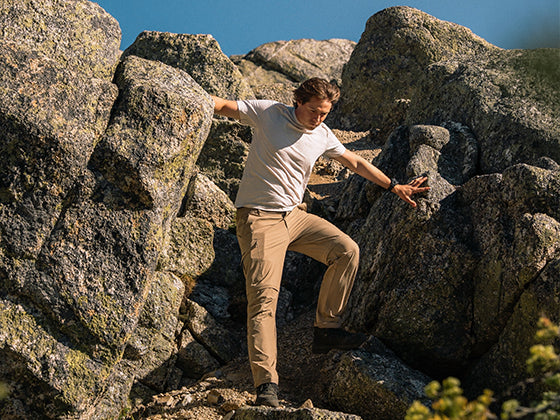
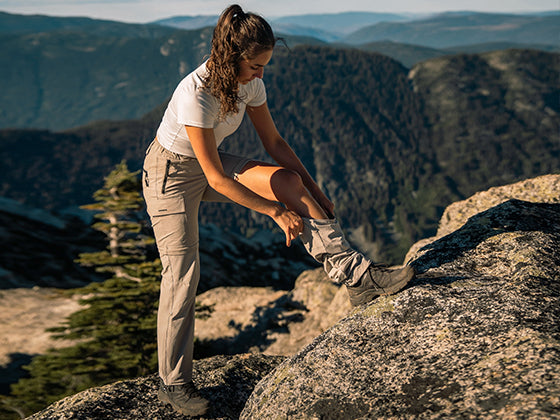
You notice the difference with hiking pants as well. Lightweight breathable hiking trousers engineered with stretch fabric, quick-dry performance, and abrasion resistance make a huge impact, especially during warmer summer weather in the Alps. Selecting durable trekking bottoms ensures maximum mobility when tackling steep alpine inclines while keeping you dry and comfortable.
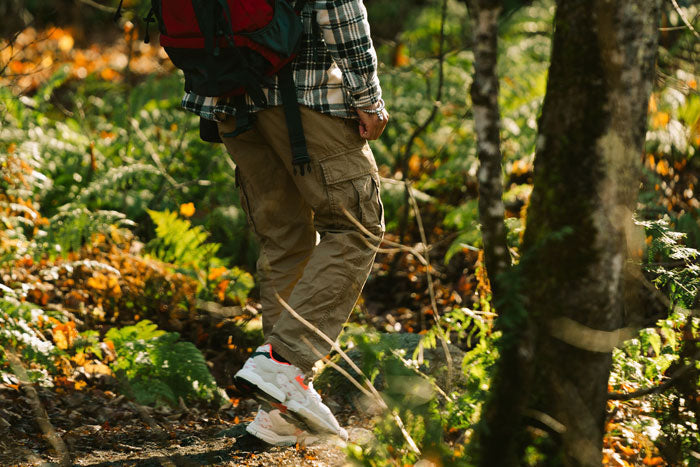
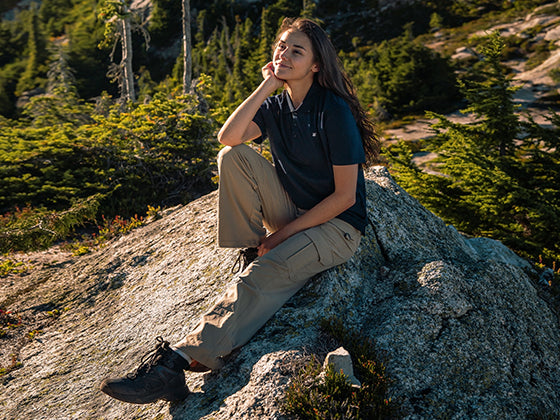
Personally, I often use functional cargo hiking pants because they’re simply practical — enough pockets, good freedom of movement, and still durable enough for rough terrain and long days outside.
Do You Need a Mid Layer for Summer Hiking?
For me, the mid layer is the classic “better bring it just in case” piece of gear.
At the trailhead, you often think: “I probably won’t need it.”

Then suddenly you’re standing on an exposed ridge, cold wind coming in from the side, and you’re incredibly happy it’s sitting in your backpack.
At some point, I got used to always carrying a lightweight option — usually fleece or a thin insulated jacket.
Timing matters here. Too thick, and you overheat during the ascent. Too thin, and it won’t help much once you reach the top.
I especially like gear that packs down easily. Nothing is more annoying than constantly debating whether carrying extra clothing is worth it.
And once again, freedom of movement matters a lot. If your clothing feels restrictive, hiking simply becomes less enjoyable.
Why Every Alpine Hiker Needs an Outer Layer?
The outer layer is something many hikers only start taking seriously after getting caught in genuinely bad weather.
I’ve had situations where the sky was completely blue just minutes earlier, and suddenly I was standing in cold rain or thick fog blowing straight into my face.
In moments like that, a proper rain or wind jacket isn’t a luxury — it’s essential.
One thing I’ve learned over time: the outer layer always stays in my backpack, no matter how good the weather looks at the start.

Lightweight hardshells or compact rain jackets are usually more than enough. The important thing is simply having them available when conditions change.
And again, layering only works properly when all parts work together. If you’re already completely soaked underneath, even the best rain jacket won’t help much anymore.
Practical Layering Overview for Summer Hiking in the Bavarian Alps
|
Situation / Weather Conditions |
Base Layer |
Mid Layer |
Outer Layer |
Hiking Trousers |
|
Warm valley start (sunny weather) |
Lightweight synthetic or merino T-shirt |
- |
- |
Lightweight breathable hiking pants such as the Moosehill Men’s Hiking Cargo Pants |
|
Long uphill sections in warm temperatures |
Moisture-wicking functional shirt |
Thin fleece in backpack |
Lightweight rain jacket in backpack |
Stretchy cargo hiking pants with good ventilation and freedom of movement |
|
Windy summit or exposed ridge |
Functional base layer |
Fleece or light insulation jacket |
Windproof shell jacket |
Wind-resistant trekking trousers |
|
Sudden rain or weather change |
Quick-drying base layer |
Light mid layer if needed |
Waterproof hardshell or rain jacket |
Water-resistant outdoor trousers like the Moosehill Women’s Hiking Cargo Pants |
|
Early morning alpine start |
Merino or synthetic long sleeve |
Lightweight fleece jacket |
Compact shell layer in backpack |
All-season hiking pants |
|
Multi-day hiking tours |
Merino base layer for odor control |
Lightweight hybrid jacket |
Waterproof outer shell |
Durable cargo hiking pants suitable for hiking and travel |
|
Cold summit break or longer rest stop |
Dry functional layer |
Insulating mid layer |
Windproof outer layer |
Weather-resistant trekking trousers |
From my experience, versatile hiking trousers make a surprisingly big difference on longer tours. Especially in the Bavarian Alps, where temperatures and conditions can change quickly, lightweight and flexible cargo quick dry hiking pants are often more practical than heavy traditional trekking gear. Models like the Moosehill Men’s and Women’s Hiking Cargo Pants fit naturally into this type of layering setup because they combine comfort, weather resistance, and everyday versatility without feeling overly bulky.

Common Layering Mistakes
I made most of these mistakes myself when I first started hiking, and I still see them all the time — even among people who spend a lot of time outdoors:
•Starting too warm and sweating immediately
•Using cotton as a base layer
•Bringing a rain jacket “only if bad weather is expected”
•Misjudging the mid layer (either too thick or not bringing one at all)
Most of the time, the real problem isn’t the gear itself. It’s expecting mountain weather to stay stable — which almost never happens in the Alps.
Personal Thoughts After Many Hikes
Over time, your perspective on outdoor gear changes.
At first, you either think: “Just bring anything,” or the complete opposite: “Take absolutely everything.”
Later, you realize it’s not about bringing more gear — it’s about bringing gear that works together better.
For me, flexibility became the most important factor. No single piece of clothing solves every situation. But the right combination makes a huge difference.
And honestly, the lighter and more functional your setup becomes, the more you actually enjoy the hike itself.
Conclusion

If there’s one thing I’ve learned from many hikes in the Bavarian Alps, it’s this: the weather itself is never the real problem — preparation is.
The layering system sounds simple, but it genuinely changes the way you move through the mountains.
You stay drier, react faster to changing conditions, and spend far less time worrying about your gear.
In the end, that’s really what it’s about: not being perfectly prepared, but being adaptable.
Or to put it differently: in the mountains, the thickest jacket doesn’t win — the best system does.
And once your thoughts are no longer focused on your gear, you can fully enjoy the moment itself: the incredible landscapes, the mountains, the lakes, and that unique feeling of leaving everyday stress behind for a while.
And honestly, that’s what matters most to me in the end.
FAQ
About Hiking Layers in the Bavarian Alps
What is the best layering system for summer hiking?
The best layering system includes a moisture-wicking base layer, a lightweight insulating mid layer, and a weather-resistant outer shell.
Do you need a rain jacket in the Bavarian Alps during summer?
Yes. Alpine weather changes quickly, and sudden rain or wind can happen even during sunny summer days.
Is merino wool good for summer hiking?
Merino wool is excellent for temperature regulation and odor control, especially during multi-day hiking tours.
What hiking pants work best for alpine hiking?
Lightweight breathable hiking pants with stretch fabric and quick-dry performance are usually the best option for changing alpine conditions.
--- END ---
For more details about hiking Clothing , please click to choose the best-fitting products!

【Hiking Advice】
· Sustainable Hiking Gear: Why Buying Better Matters
· Hiking Pants vs. Leggings: Why Trekking Trousers Win for Spring
· The Golden Rules for Hiking in 2026
· Hiking Tips: What are the best foods for hiking?
· What Do You Need to Wear for Hiking?
【Ski & Snow Advice】
· What pants are good for snow
· Can Snow Pants Be Used as Rain Pants?
【Biking Advice】
· What shorts do Mountain Bikers wear?
· Why Are Mountain Bike Shorts Padded Instead of the Seat?
· Comfortable and Stylish: 5 Expert Tips for Bike Shorts
【Golfing Advice】
· Do You Wear Pants or Shorts to Golf?
· Quick Guide: Choosing the Perfect Golf Pants
· 4 Tips to Efficiently Choose Your Golf Clothing and Accessories